Your Skin Kept Receipts: Why September Is the Perfect Time for a Skin Reset
I got a text from a patient recently thanking me for something I almost didn’t think twice about.
At a recent appointment, I noticed a suspicious-looking spot on her forehead and told her I thought she should have it checked by dermatology.
She did. It was basal cell carcinoma.
I got a text from a patient recently thanking me for something I almost didn’t think twice about.
At a recent appointment, I noticed a suspicious-looking spot on her forehead. It didn’t look quite right to me, so I told her I thought she should have it checked by dermatology.
She did.
It was basal cell carcinoma.
Thankfully, basal cell carcinoma is highly treatable when caught early. But her message was a pretty powerful reminder of something I never want us to lose sight of:
Taking care of your skin is about a lot more than wrinkles.
Your skin is an organ. Treat it like one.
We spend a lot of time talking about pigmentation, fine lines, collagen and looking younger.
But your skin is also your body's largest organ and its first line of defense against the outside world.
And one of the biggest threats to it?
UV radiation.
Here's the part I wish everyone understood:
A tan is not a sign of healthy skin. A tan is your skin responding to UV injury.
UV radiation can damage the DNA inside your skin cells. It also accelerates the breakdown of collagen and elastin and disrupts pigment-producing cells—which is why years of sun exposure eventually show up as brown spots, uneven tone, rough texture, laxity and wrinkles.
And here in Colorado, we're playing on hard mode: UV exposure increases with altitude. So no, I'm not telling you to become a vampire. I'm telling you to be a responsible Colorado sun goblin.
Wear the hat. Sit under the umbrella. Go hiking. Ski. Drink your margarita on the patio. Just protect your damn skin!
The four things I want you to do:
1. Wear sunscreen. Every. Single. Day.
Use a broad-spectrum SPF 30+ and reapply regularly—especially when you're outside, sweating or swimming. I honestly don’t care if you use the cheap sunscreen on sale at the check-out line…as long as it’s not expired. The best sunscreen is ultimately the one you'll actually wear consistently.
2. Physically cover up.
Hats, sunglasses, shade and UPF clothing are wildly underrated. And yes, UV damage can affect your eyes too.
3. Get an annual skin exam.
Put dermatology on your preventive-health checklist alongside your physical, dental visits and other routine screenings—especially if you have significant sun exposure or other skin-cancer risk factors.
And if something is new, changing, bleeding, not healing or just looks weird, don't wait for your annual visit.
4. Take care of the damage that's already there.
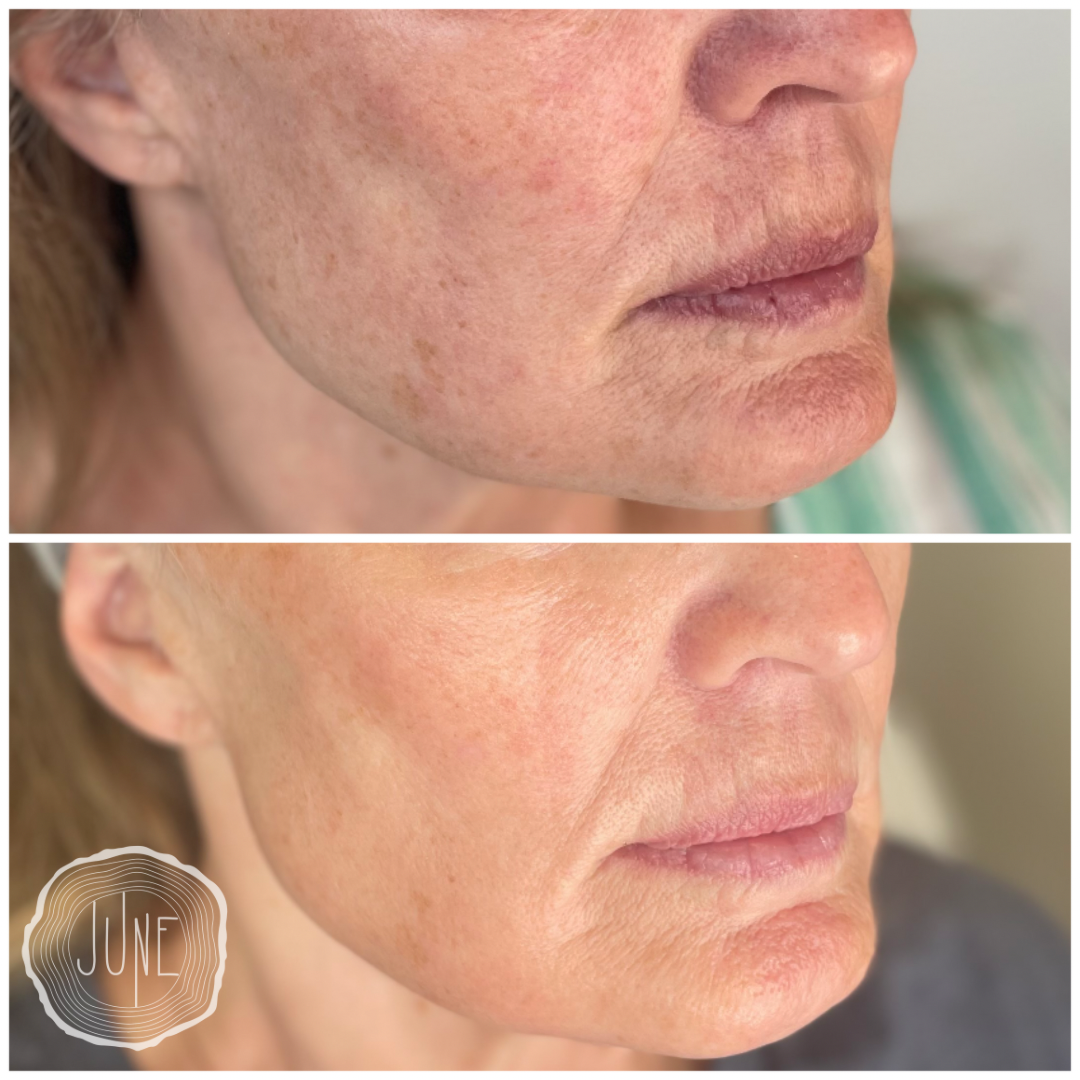
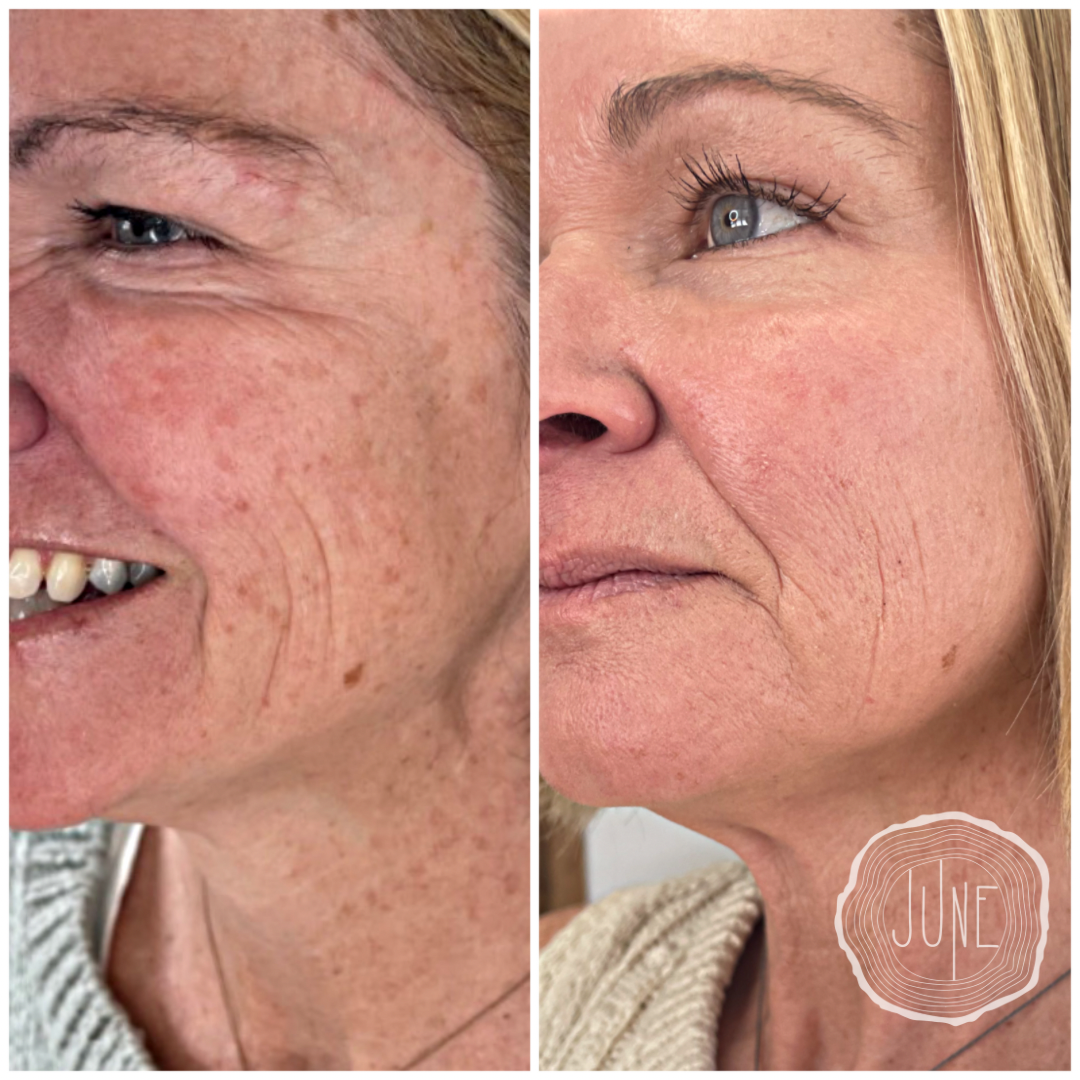
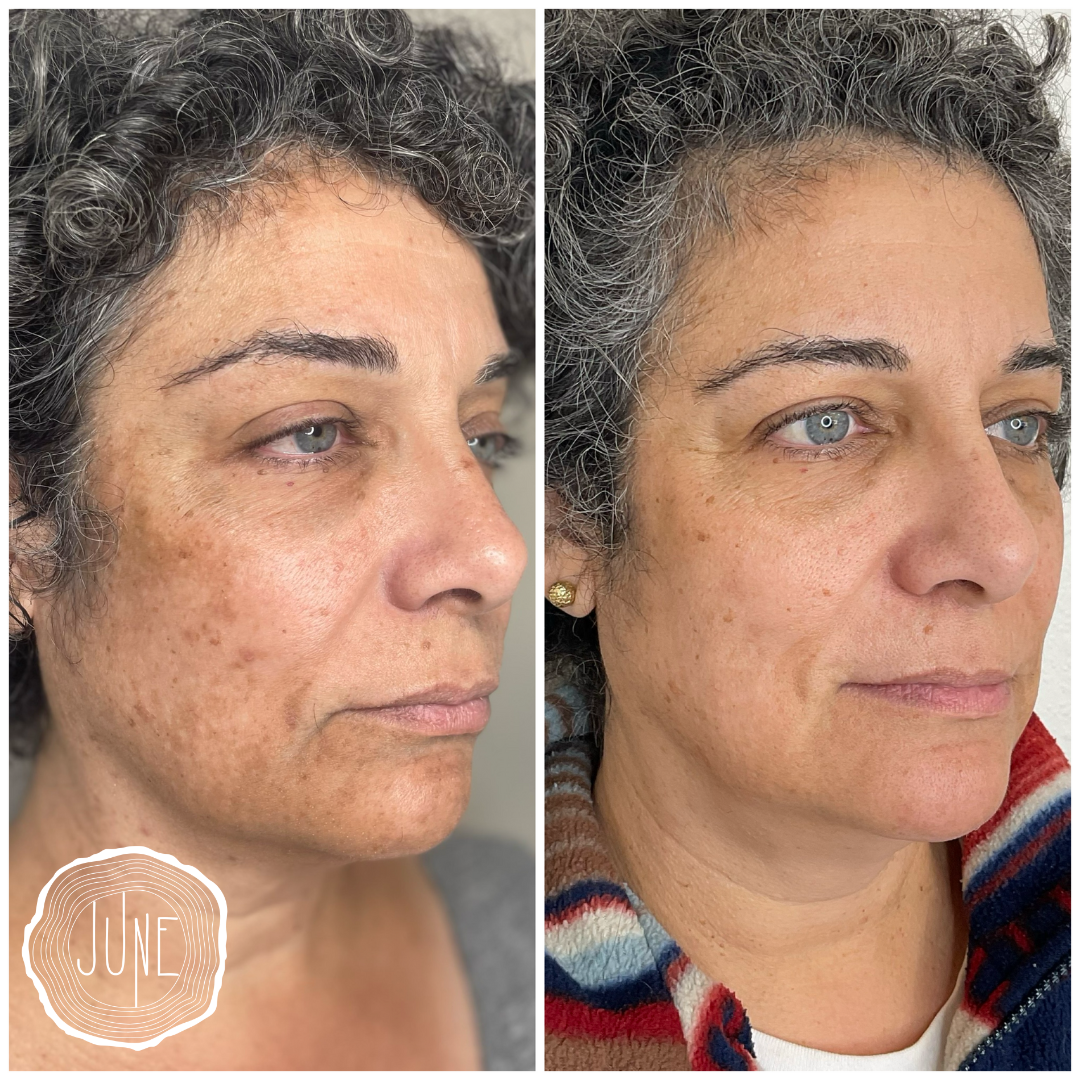
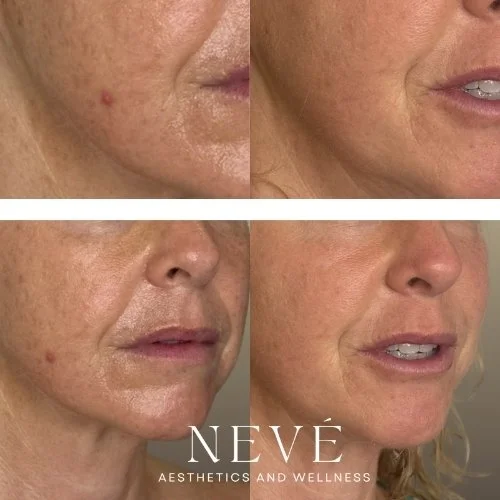
Professional laser treatments can help address the visible effects of cumulative UV exposure, including pigmentation, uneven tone, rough texture and changes in overall skin quality.
Our Ultra laser is FDA-cleared to treat actinic keratoses (AKs)—rough, sun-damaged spots that are considered precancerous and can potentially develop into squamous cell carcinoma.
In other words: sometimes healthier skin and better-looking skin happen to be the same goal.
So, why September?
Because prevention is always the goal—but we can't undo the sun exposure we've already had.
September is a great time to take a closer look at what summer left behind and start addressing the visible effects of cumulative UV exposure.
Our End-of-Summer Skin Reset is designed to do just that.
Laser Resurfacing & Pigment Correction | Face + Neck $250 off → $2,149
Laser Resurfacing & Pigment Correction | Face Only $175 off → $1,549
Plus: Receive complimentary travel-size NOON C-Foaming Cleanser + OMG Cream ($86 value) to support your skin through post-treatment recovery and beyond, along with the included ZO GSR Kit ($150 value).
$236 in complimentary skincare with every treatment.A series allows us to take a more strategic approach to improving pigmentation, texture and overall skin quality over time.
Your skin doesn't need punishment for enjoying summer. It needs a plan.
The goal isn't to hide from the sun. It's to enjoy your life without pretending your skin isn't keeping score.
You only get one skin. Take care of it.
— Liya Flage, DNP, FNC-P & the Nevé Team
The Hidden Dangers of High Altitude Sun Exposure
Lets face it, there is no better feeling than the warm summer sun showering your skin after a seemingly endless Colorado winter. However, the research is clear and the evidence is strong that prolonged and repeated exposure to the sun’s harmful ultraviolet (UV) rays can cause serious damage to your skin over time. Your risk increases further as you go up in elevation, leaving us highlanders more susceptible to sun damage and skin cancer. But fear not, hope is not lost! With some preventative measures, proper skin protection, and targeted aesthetic options, you can turn back the hand of time and restore your naturally healthy and radiant skin.

Lets face it, there is no better feeling than the warm summer sun showering your skin after a seemingly endless Colorado winter. However, the research is clear and the evidence is strong that prolonged and repeated exposure to the sun’s harmful ultraviolet (UV) rays can cause serious damage to your skin over time. Your risk increases further as you go up in elevation, leaving us highlanders more susceptible to sun damage and skin cancer. But fear not, hope is not lost! With some preventative measures, proper skin protection, and targeted aesthetic options, you can turn back the hand of time and restore your naturally healthy and radiant skin.
Protect the Skin You’re In: Preventative Measures
Preventing UV damage doesn’t mean avoiding the sun entirely, but it does mean being mindful of exposure and taking the necessary precautions.
Wear sunscreen daily: Use a broad-spectrum sunscreen with at least SPF 40, even on cloudy days or when spending time indoors near windows. Reapply every two hours, or more frequently if swimming or sweating.
Seek shade: Avoid direct sun exposure during peak hours, typically from 10 a.m. to 4 p.m., when UV rays are strongest.
Cover up: Wear protective clothing, wide-brimmed hats, and sunglasses with UV protection to safeguard your skin and eyes. Melanoma can even develop on your retinas!
Avoid tanning beds: The UV rays in tanning beds are just as harmful, if not more so, than natural sunlight. Opt for sunless tanning products if you desire a bronzed look.
Schedule annual skin checks: Just like you schedule an annual physical exam or biannual dental cleaning, a yearly skin check is a crucial part of your health and wellness repertoire. You should also become familiar with your birthmarks and moles and monitor for any changes over time. Your skin is the largest organ in the body, don’t ignore it.
Hope is Not Lost: Treating Existing Damage
Precancerous Cells: Actinic Keratosis (AK) are dry scaly rough patches on your skin that often develop in highly sun exposed areas after years of sun exposure. If these lesions are left untreated, they can progress to a Squamous Cell Carcinoma, a form of skin cancer. It is essential to get these lesions diagnosed by your doctor before this happens. Once diagnosed, our Ultra™ Laser system, which is FDA approved for AK, can remove these lesions in just one session!
Hyperpigmentation and Sun Spots: We have a variety of options available to help reduce the appearance of the flat dark patches (AKA sun spots or liver spots) that develop on the skin in highly sun exposed areas.
Chemical peels use multiple acids to remove the top layer of pigmented skin. Chemical peels can also treat fine lines, wrinkles, and acne as well. Expect proper peeling and about a one week downtime.
Our Ultra™ Laser system uses fractionated laser technology to lift the pigment to the surface so it can naturally slough off. Our laser also treats fine lines, wrinkles and acne without the downtime of chemical peels so that you can get back to your favorite outdoor activities.
Our Noon Aesthetics™ medical grade skincare line treats a variety of conditions including sun spots and melasma, acne, fine lines and wrinkles, as well as offers further protection from UV free-radical damage through the use of high dose vitamin C and other antioxidants.
The Takeaway: Your Skin Deserves the Best
The damage caused by UV sun exposure can be insidious, presenting years later in the form of wrinkles, sunspots, or even skin cancer. By taking preventative steps to protect your skin from future damage and treating the damage that has already been created, you can enjoy the sun safely and maintain your skin’s youthful appearance for years to come. Your future self will thank you!
Schedule yourself for a free skin consultation at junemedspaco.com
Below are just a few of our clients before and after photos as an example of what you can expect with our Ultra™ Laser system.